Importing Booth Seating to the UK and Ireland: Lead Times, Packing and Customs
Importing fixed booth seating to the UK or Ireland: lead times, sections that fit a pub door, EORI, customs agents, import duty and import VAT explained simply.
Short answer: Fixed booth seating made in Foshan and shipped to Britain or Ireland takes typically 30-45 days to produce for standard designs and 45-60 days for custom work, counted from drawing and sample approval, then sea transit, customs clearance and delivery, all confirmed in your quote. Plan around three things: sections sized to fit your door and stairs, the right customs paperwork (GB and Ireland now follow different rules), and a delivery slot your venue can actually receive.
Booth & Bench (a line by EASEN Commercial Furniture) builds booths, settles and banquettes in our own production base in Lecong, Foshan, and ships them export-packed by sea. This guide sets out what happens between your order and the seating going in, from a manufacturer's point of view. It is general guidance, not customs or tax advice.
How long does it take from order to installed booths?
The clock starts when drawings are signed off, not when you first enquire. A typical sequence:
| Stage | What happens | Who drives it |
|---|---|---|
| Survey and brief | You send wall lengths, heights, door sizes and photos | You or your shopfitter |
| Shop drawings | We draw each run with section joints and fixing points | Booth & Bench |
| Approval and sample | You approve drawings; optional sample or fabric swatches | You |
| Deposit | Production slot is confirmed | You |
| Production | Normally 30-45 days for standard designs, 45-60 days for made-to-measure | Booth & Bench |
| Pre-shipment check | Photos and video of every run before balance | Booth & Bench, optional third party |
| Sea freight and clearance | Varies by route and port | Forwarder and customs agent |
| Delivery and fitting | Into the venue, fixed in place | Your fitter or ours by video support |
The stages before production are where most refits slip. If a pub is closing for a fixed refurbishment window, get drawings approved early and work back from the reopening date.
Will the booths fit through a pub door?
They will if we plan for it. Old pubs have narrow doors, cellar hatches, tight stair turns and low beams. Rather than building a run as one long piece, we split it into sections that pass the narrowest point on the route and join on site with concealed bolts, so the finished run looks continuous.
Send us these measurements before drawings are finalised:
- Width and height of every door on the route, with the door open.
- Corridor widths and any tight turns.
- Stair width, headroom and whether the stairs turn.
- Lift dimensions, if there is one.
- Any fixed obstructions: radiators, pillars, bar flaps.
Our fixed booths and banquette runs are drawn with the joint positions marked, so your fitter knows exactly where sections meet.
How is fixed seating packed for the voyage?
Seating spends several weeks in a container and is handled at both ends, so we pack for the worst handling it might meet:
- Upholstery wrapped in film against damp and dirt, then cartoned.
- Corners and timber end panels protected with board or foam.
- Heavier or show-wood pieces, such as oak settles, crated in ISPM-15 compliant treated timber, which is required for wood packaging entering both the UK and the EU.
- Each section labelled with venue, area, run number and section order (for example "Run B, 2 of 4"), plus the fabric reference.
- Fixings, connector bolts and touch-up materials packed in a marked box with the first section of each run.
What paperwork does Great Britain need since Brexit?
Goods coming into Great Britain from China are imports in the full sense, and have been all along; Brexit mainly changed the picture for goods moving between GB and the EU. The essentials for a GB import:
- EORI number. The importer needs a GB EORI number (it starts with GB). Your business can apply through HMRC.
- Customs declaration. Usually lodged by a customs agent or your freight forwarder on your behalf.
- Import duty. Depends on the commodity code and origin. Your agent confirms the code for upholstered seating and any duty payable.
- Import VAT. Payable on import; VAT-registered businesses can usually account for it through postponed VAT accounting and recover it in the normal way.
- Commercial documents. We supply the commercial invoice, packing list and bill of lading; your agent may request others.
Northern Ireland has separate arrangements under the Windsor Framework. If your venue is there, ask your agent which rules apply.
Is Ireland different?
Yes. Ireland is in the EU, so the shipment is an EU import. The importer needs an EU EORI number (issued by Irish Revenue), the declaration is lodged with Irish customs, and duty and Irish import VAT are charged under EU rules. Goods should not be routed through GB and then on to Ireland unless your agent has planned for it, because that can mean dealing with two customs systems. Shipping directly to an Irish port, or through an EU transhipment port, is usually simpler.
Which shipping terms suit a pub or restaurant?
We quote FOB, CIF or DDP on request.
| Term | You arrange | Suits |
|---|---|---|
| FOB (China port) | Sea freight, insurance, customs, delivery | Pub groups and shopfitters with their own forwarder |
| CIF (UK or Irish port) | Customs clearance and delivery from the port | Buyers with a customs agent but no forwarder |
| DDP (your venue) | Unloading and fitting | Independents who want one delivered price |
On DDP, check exactly what is included: delivery to the kerb or into the building, a tail-lift lorry, and who unloads.
Getting the seating into the building
Containers rarely go straight to a pub. Most deliveries are unpacked at a depot and brought in on a smaller lorry with a tail-lift, which suits town-centre streets and loading restrictions. Agree a delivery time outside service, have enough people to carry sections in, and clear the route. If the venue is trading during a phased refit, stage the sections in an area that is closed off.
Fire performance matters for UK pub seating. We specify foams and fabrics to meet BS 7176 at the hazard level you need (typically medium hazard for pubs and restaurants) and BS 5852 ignition sources on request, and supply test reports for the specific item where available. Agree this before production; it cannot be added afterwards.
Before you pay the balance
When production is complete, we send photos and video of each run, its labels and packing. The usual arrangement is a deposit to start production and the balance before shipment, as set out in your quote. You are welcome to appoint an independent inspection company, such as SGS or QIMA, to check the goods at the factory before they leave.
Ordering checklist
- Measure walls, heights and the full delivery route.
- Approve shop drawings with section joints marked.
- Confirm fabric and the fire standard needed.
- Agree the shipping term and appoint a customs agent.
- Check your EORI number (GB or EU, depending on where the venue is).
- Approve the finished seating from our photos and video, or have an inspector visit, then pay the balance.
- Book a delivery slot and carrying help outside trading hours.
- Line up your fitter to fix seating to wall or floor.
Common mistakes
- Measuring the room but not the route. The booth fits the bay but not the stairs.
- Assuming one rule for GB and Ireland. They are separate customs territories now.
- No EORI in place. Clearance stalls until the importer is registered.
- Booking the fitter before the goods have landed. Leave a margin for clearance and delivery.
- Leaving the fire spec until late. Foam and fabric are chosen before cutting starts.
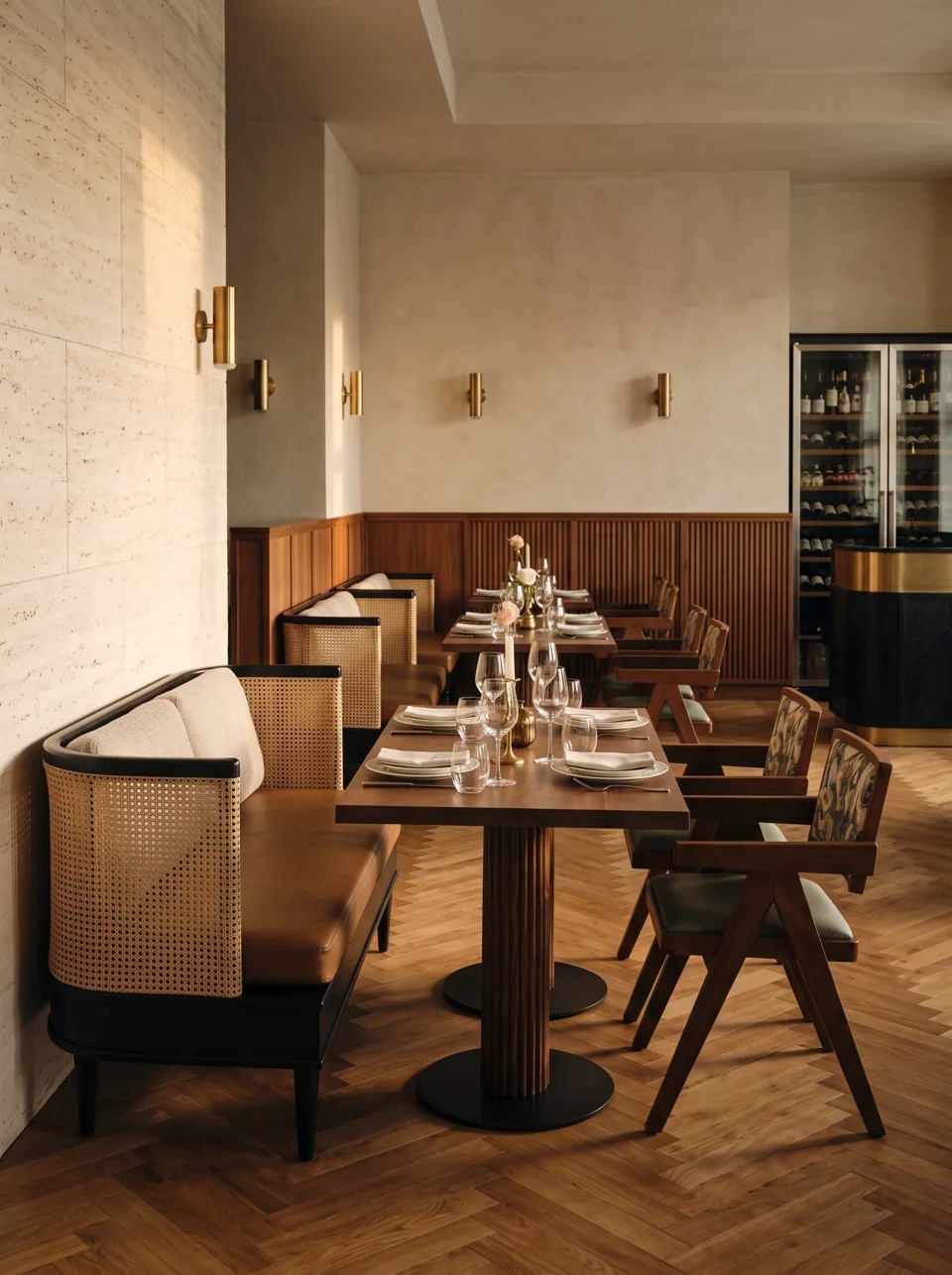
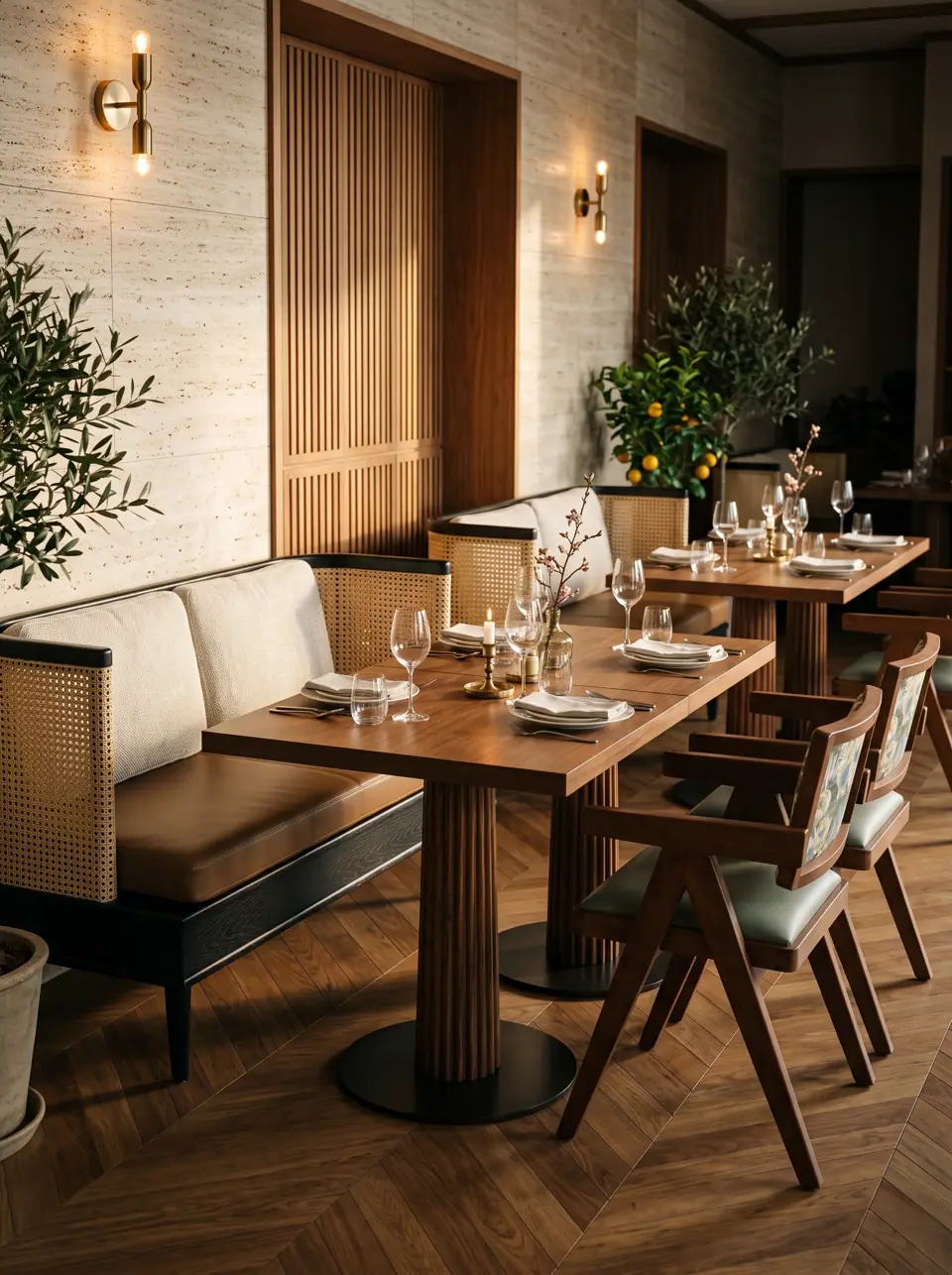
For a classic bay booth that can be drawn in sections to suit your route, see the snug plain-back booth.
FAQ
Do I need an EORI number to import seating?
Yes. Imports into Great Britain need a GB EORI number, and imports into Ireland need an EU EORI number. Your customs agent will ask for it before clearing the goods.
Is there VAT on imported booth seating?
Import VAT is payable in both the UK and Ireland. VAT-registered businesses can usually recover it; in the UK, postponed VAT accounting lets you deal with it on your VAT return. Your accountant or agent confirms the details.
Can you split a long banquette for a narrow pub door?
Yes. Send us door, corridor and stair sizes and we will draw the run in sections that pass the tightest point, joined on site with concealed fixings.
How long until the seating arrives?
Making normally takes 30-45 days for standard designs and 45-60 days for made-to-measure work once drawings and samples are agreed, followed by sea transit and clearance. Your quote confirms the expected dates.
Send us your measurements, a floor plan or a few photographs of the room, and tell us how many covers you need. We will come back with a layout suggestion and a quotation per metre.
Request a quotation